
Best Time to Visit La Fortuna and Arenal: A Month-by-Month Guide for Couples
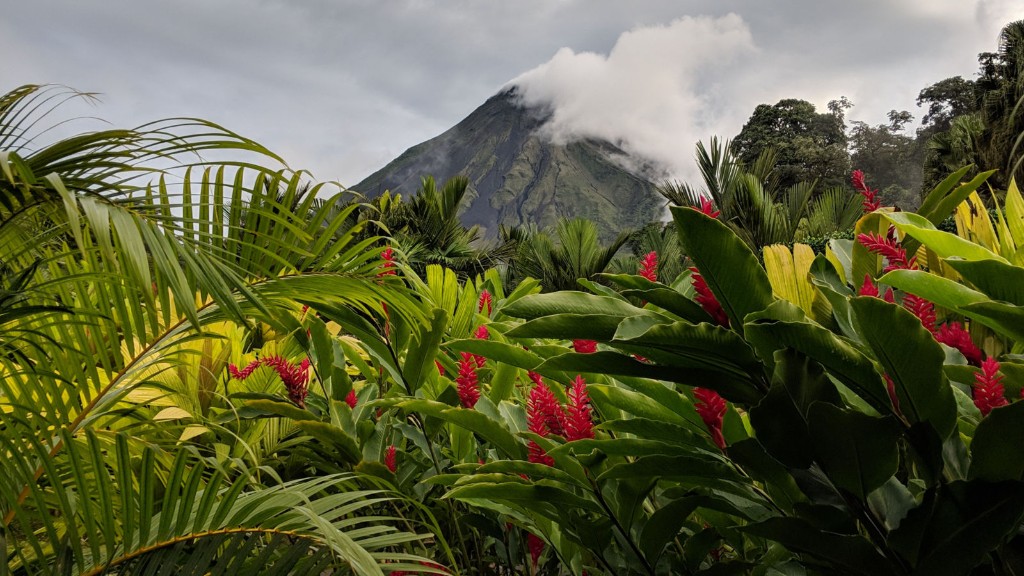
Choosing the best time to visit La Fortuna is less about finding perfect weather and more about finding a rhythm that feels right for the two of you. La Fortuna sits in Costa Rica's Northern Plains, a region whose rainfall patterns are influenced by the Caribbean and where rain is possible year-round. Because of this, even during the less rainy months, the weather can change quickly. For couples planning an intimate escape, the question is not whether it will rain. It is whether your mornings stay clear long enough for a quiet outing, and whether your evenings give you time to slow down, enjoy the hot springs, and be together away from the bustle of a crowded hotel.
Why Timing Matters Differently for Couples
Most travel guides rank months by rainfall charts. Couples planning a retreat need a different lens: crowd levels, the chances of a clear morning, and the freedom to enjoy each day without filling it with activities. The rhythm that works here is simple. Wake without urgency. Choose a single main activity for the day. End the day at the hot springs. That philosophy shapes every month below, and it is the same one behind our guide to planning an intimate Arenal escape.
Dry Season and Green Season: A Useful—but Imperfect—Framework
Costa Rica is commonly described as having a drier season from roughly December through April and a green season from May through November. In La Fortuna, however, that division is less defined than it is on the Pacific coast. The Northern Plains receive rain throughout the year, although rainfall is generally lower between February and April.
From May onward, showers become more frequent, but they do not always arrive in the afternoon. A sunny morning can turn wet quickly, and a rainy morning can still give way to clearer conditions later in the day. Think of the seasons as tendencies, not promises—and build flexibility into every month.
Month by Month: What Each Month Feels Like for Couples
January
January often offers some of the better odds for clear skies. Early morning—often between 6:00 and 9:00 a.m.—usually offers the best chance for volcano views. Demand usually remains high through the first week of January. Book hot springs and dinner reservations early, and use your mornings for a quiet drive before the area gets busier.
February
Still firmly within the drier stretch of the year, with a better chance of clear mornings and warm days. Visitor demand is usually strong, which means signature attractions can fill quickly after mid-morning. Arrive early to trails and viewpoints, then return to your private retreat before the afternoon heat.
March
Typically the driest and hottest month. Early risers usually find clearer skies and more pleasant temperatures for heading out.
April
Rainfall begins to increase slightly in April, although mornings often remain clear. It typically attracts fewer international visitors than January and February. A strong month for couples who want drier mornings without peak-season density.
May
Green season arrives. Afternoon showers become part of the daily rhythm, and the forest responds with extraordinary lushness. Availability can improve, and accommodation may be more competitively priced. For couples who enjoy the atmosphere that rain brings, May can offer a quieter and more intimate experience of La Fortuna.
June
Rainfall continues to build, but mornings still offer enough time for a quiet outing. The afternoon downpour invites you to return indoors and slow down. This is green season at its most immersive: mist in the trees, fewer people on the trails, and evenings made for hot springs.
July
July remains firmly within the wetter part of the year in La Fortuna. Although Costa Rica’s Pacific side often experiences a midyear “little summer,” the effect is less predictable in the Northern Plains. Expect a changing mix of sun, cloud, and heavy showers rather than a dependable dry interval.
August
August stays warm, humid, and changeable. Some days begin with good conditions for going out, while others bring rain earlier. Visitor levels may be lower than during the main dry-season months, making flexibility more valuable than trying to predict a fixed daily pattern.
September
September is typically part of La Fortuna’s wetter stretch. Trails may be muddy, cloud cover can limit volcano views, and it helps to keep your plans flexible. For couples who value a peaceful atmosphere more than a clear view of the volcano, September can offer fewer visitors and a slower pace.
October
October is also commonly one of the wetter months, although conditions vary from year to year. Travelers comfortable with rain may find a quieter, slower version of La Fortuna. If your ideal escape involves reading, soaking, and slow conversation rather than volcano photography, October offers an especially quiet experience of the region.
November
Rainfall begins to ease toward month's end as the region transitions toward the drier months. Landscapes remain vivid, and it typically attracts fewer visitors than the main dry-season period. A good choice for couples who want emerald scenery without traveling during the rainiest stretch of the year.
December
The month splits in two. During the first half of December, you can still expect variable rain and fewer visitors than during the Christmas and New Year weeks. The period from the week before Christmas through the first days of January brings extremely high demand. If you travel over Christmas and New Year's, reserve everything early and enjoy quiet mornings at your villa before the town gets busy.
Volcano Views: Manage Expectations
A clear view of Arenal Volcano is never guaranteed, even from properties and viewpoints known for volcano views. Clouds build through the day, and the volcano can disappear for hours without warning. January through March generally offer some of the better odds for visibility. Early morning—often between 6:00 and 9:00 a.m.—usually offers the best chance before clouds accumulate. Try to see the volcano early one morning, then enjoy the rest of the trip even if the clouds do not clear.
Crowds Worth Knowing About
Three periods stand apart. The period from the week before Christmas through the first days of January brings extremely high demand. Semana Santa, whose dates change each year, brings some of the heaviest domestic travel of the year. January through March usually sees stronger demand from international visitors. For quieter windows, September and October often feel the most secluded. For a balance of clear mornings and manageable density, late April, May, and November often work well for couples.
How to Choose Your Dates as a Couple
Start with what you value most. If volcano visibility and dry trails matter, aim for January through March or late April, and build your days around early mornings. If privacy and lush scenery matter more, the green season from May through November rewards a slower pace. If you must travel over Christmas, New Year's, or Easter, book early and plan for quiet mornings.
Regardless of the month, the daily rhythm holds. One outing. One hot-springs evening. Enough space between them to let the day still feel like yours. That is how a trip at your own pace begins to feel like a retreat rather than a tour.
When you know the month that fits your rhythm, secure your dates at Ave de Fuego and let La Fortuna set the tempo.
Note: Weather patterns described here are based on regional climate information and typical travel conditions available as of July 2026. La Fortuna’s weather varies considerably by year, elevation, and location, so no month or time of day guarantees clear skies or rain-free plans.